Showing posts with label Faithfulness. Show all posts

Friday, August 31, 2018

Wonderful World of Wisdom - When You Don't Know Nothin'


Preached on Sunday, August 26, 2018

Scriptures readings: Colossians 1:24-2:5; Proverbs 30:1-9; Luke 5:1-11

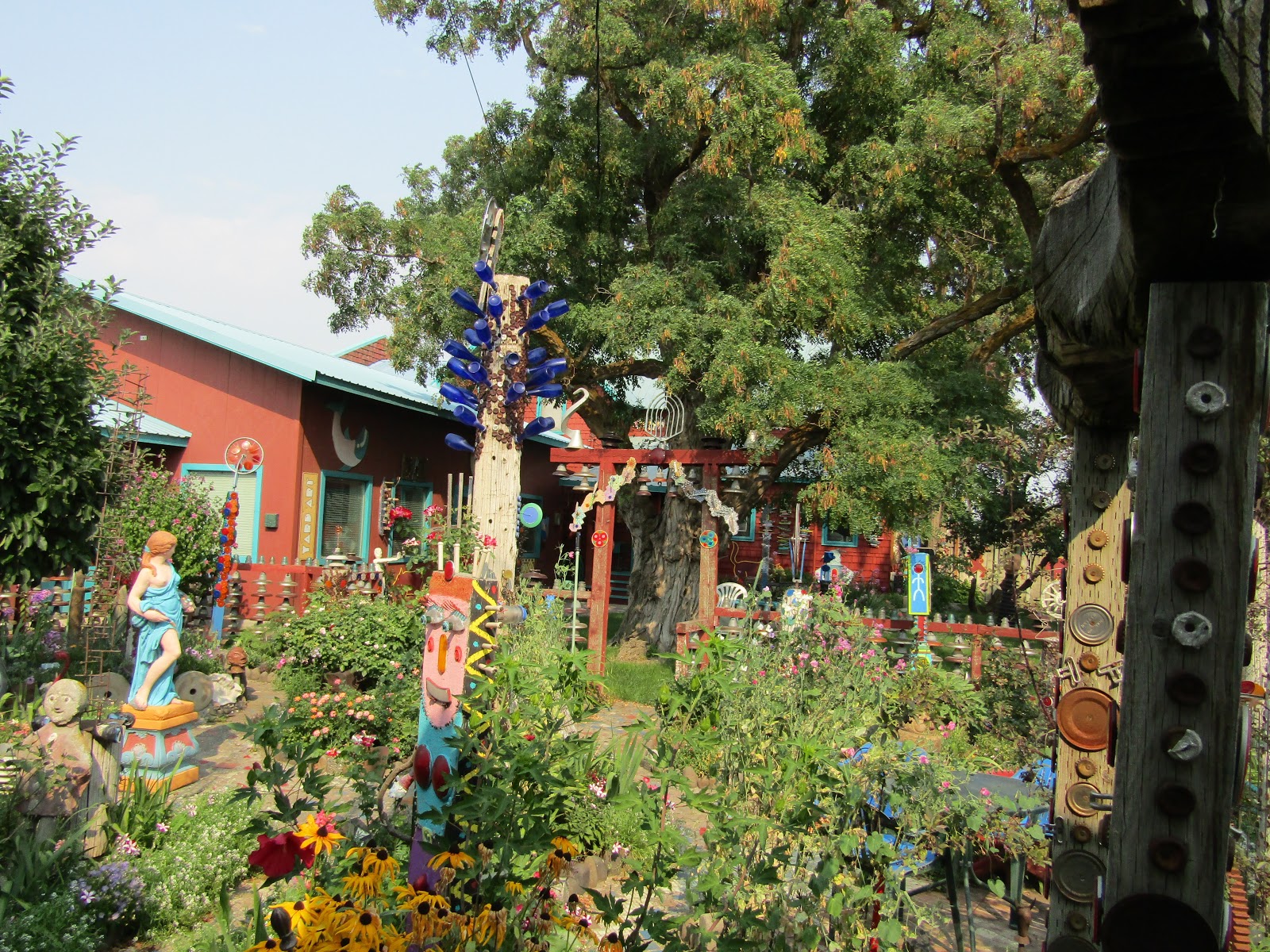
Dick and Jane's Spot, Ellensburg, WA
August 2018
There’s this guy who sounds like he’s beating himself up for how stupid he’s been. “I am the most ignorant of men. I do not have a man’s understanding.” (Proverbs 30:2)
Here’s a guy who feels really stupid. Well, that’s what I thought at first. I thought it was the bad things that make us feel small and clueless. Then again, there might be some huge, wonderful things that make us feel small and clueless.
The man who wrote the words we’ve read is someone named Agur son of Jakeh. The names here aren’t Hebrew names, but they come from a related language that was spoken by the descendants of Abraham’s second-class son Ishmael, who became the ancestor of the Arabs.
The story behind Abraham and Sarah and their treatment of Ishmael, and the ongoing influence of that bad treatment on the relationship between Israel and the Arabs is something that has come to endanger the peace of the whole world. They haven’t always fought each other, but it’s been a rough road for over three thousand years.
The wise man Agur and the publication of Proverbs takes us about seven hundred years into that long story: long enough for him to have earned a bad reputation with the wisdom school of Solomon. And yet there he is! There are a number of people, whose writings are in our Old Testament, who have nothing, or next to nothing, to do with the story of the Bible.
The same is true with Job. The whole Book of Job is the story of one of the best people in the whole human race and one of the most beloved people of God who has nothing to do with God’s people, except that his story matters to God; and God wants to hold up to us these stories of people who lived beyond our horizon and still knew something good about our God, in spite of us and without our help. God has managed to get through to them on his own.
They are part of a world where God is at work in ways we don’t understand. God’s work in other people is beyond our knowledge and our understanding. Which is exactly one of the truths that Agur knows.
You could say that I’m wrong about this. After all, Agur confesses that he doesn’t know the Holy One. He says that doesn’t know God. But he also says that his level of understanding would test out to be subhuman. And that doesn’t seem to be true, and his words form an inspired part of our inspired Bible, so he knows more than he says.
Augur has a faith very much like the faith that the Lord taught to Job. Read chapter thirty-eight in Job and see how what the Lord (speaking through questions) reveals something to Job that sounds a lot like what the Lord has told Agur.
Agur knows that God strides back and forth between the dimensions that separate Heaven and Earth. God creates the atmospheres of the planets and makes their winds blow at the tipping of his hands. God gathers the waters in his cloak, and pours them into the seas. God has defined the ends, or the borders, of the worlds; and surely much more than that.
And those are just a few of the big things. That doesn’t count all the little things God can do.
In just a few verses, Agur the Arab can write a Hebrew poem as good as anything in the Bible. What Agur knows about God is beautiful and great. He knows that the Lord communicates perfect truth and he knows that you can count on that truth if you have any desire to walk with the Lord by faith.
Agur also knows that you can royally mess with the word of God. You can adulterate or contaminate it. He calls this “adding to the words of God.”
We need to take notice of when and where these words were written. Most of the Old Testament was not written at this time. What was already written down was probably not assembled into single scrolls yet. The words of God that Agur knew were the words he passed down to us in this chapter of Proverbs.
God’s words tell us that God can create heaven and earth, the spiritual and physical universe, and the particles and the underlaying fields of energy that are the foundation of everything we can see or detect. The ends of the earth could be like the limits of nature, and the laws of physics, that define how things happen; that define what can and what cannot happen. It’s simpler if we just say that God can do anything and that we can safely, securely live accordingly by faith.
God’s words tell us that his words, his communications to us, can be trusted because God values the truth and makes his words true in such a way that they are like a shield. The shield of God’s words is strong because God has made it from the most perfectly refined and forged metal possible. His words cannot be broken, or shattered, or pierced through to cut you.
Adding to God’s word doesn’t mean rewriting it to make it say something you want it to say. It doesn’t mean scribbling words in, or crossing words out. You don’t need to do any of that in order to add to it, or subtract from it, or just mess with it in general. All you have to do is to teach it messed up. All you have to do, in order to mess with the words of God, is to preach them all messed up.
I may have messed up Agur’s poem about “God Can Do Anything”. Maybe I shouldn’t say that the ends of the earth could be the laws of physics. That’s kind of a leap of the imagination; and maybe a leap of physics, too.
To explain something strange and mysterious in such a way as to make it more rational, or (even worse) to explain something away, is a dangerous game. Preachers and Sunday School teachers might be like children playing where they shouldn’t: like my mom’s two brothers, as kids, when they would compete at jumping off the roof of their garage. Of course, those were the good old days of childhood when parents seldom gave a thought to what their children were doing out of their sight.
Trying to change the meaning of God’s words, God’s messages to us, to suit ourselves, is what it means to add to the words. Making them not so weird, or scary, or threatening is adding to the words of God. Cherry picking them in order to make us look good or, at least, better than other people is the same as adding to the words of God. Making God’s words not mean what they say, or not say what they mean, is adding to God’s words. Those are the lies and the falsehoods that scare Agur.
Agur knows that God’s words tell us reliably what God can do, what God does for us. God’s words tell us who we are as we stand before God, and how to stay right and not forget the good news of God’s word.
Agur doesn’t want to mess with this, or get in the way. Agur sees himself in God’s words: how easy falsehood is and how it can come to cover God up and make him a different God. Agur sees that we can be tempted to worship a God of our own invention. He prays that God will deliver him from his own lies.
Agur sees that possessing too much can distract us from God and his word for us. Having too much can make us breakers of the truth: promoting ourselves and demoting God.
Having too little can make us desperate, always seeking our own advantage, and worrying about our survival, and forgetting to trust God, and actually stealing, and cheating, and lying to serve ourselves, because we don’t trust that God will give us our daily bread as we need it. Agur prays, like a Christian, for his daily bread, the right amount of anything, as God knows we need it to be.
But Agur prays because he knows great things about God.
If he makes this prayer because he doesn’t trust what God has said, and because he’s afraid, then I don’t know what to do with this prayer. I believe that he prays this way because he loves God so much that he doesn’t want to fail. He knows that God won’t fail him, but he wants the help that only God can design and give to make sure that this poor ignorant believer doesn’t fall short of the love of God.
Agur says he has no knowledge of the Holy One. Knowledge, in the world of the Old Testament, means a deep level of experience. It implies intimacy with the facts, the truth, the message. In some strange way Agur says that he has no knowledge of the Holy One, and yet the very next thing he says is a poem dedicated to the knowledge that the Holy One has given to him.
The dynamic of what we see in Agur is that he possesses no wisdom, but God’s wisdom possesses him. Agur has no knowledge, but God’s self-knowledge has opened his eyes.
There are a lot of experiences that can make us say something like: “I am the most ignorant of men.” “I am the most ignorant of women.”
Something terrible could make us say this. You could lose your job, and seem to fail at finding another. You could be hit by loss or grief: the loss of a home in a flood or fire, the loss of a precious human life that is so much a part of you that you don’t know how you might still be your true self without them.
You could find yourself in the path of an accident, or an illness, or a disability, or the threat of cancer, and the uncertainty of health and life that this brings. You could be hit by a mistake or a failure of your own, or make a horrible discovery about yourself that never occurred to you until now.
It happens. You say: “I don’t know anything.” Then, again, maybe that’s not true. Maybe a word crept in long ago. It was a word of something beautiful waiting for you: something that gave you strength, and courage, and hope, and energy. Maybe the gifts in your life seemed so great and strong that you forgot that word, that message, from God: that God can do anything and make anything possible. Maybe the poverty you feel now makes it hard to hold onto what you once knew, or makes it seem hollow and far away.
Yet there can be a quiet word that tells you that you are in God’s hands. It may be true that you aren’t holding onto God’s wisdom and intimacy, but God is God, and God is holding you in his hands.
Agur was afraid of speaking falsehood, but he was also afraid of hearing it from others. Agur had heard the same message. He had received the same truth that Job heard.
There were others who knew what Agur might have felt slipping away. The wise thing to do would be to find someone who has gone through what you are going through, only that person has not forgotten or lost the perfect shield that nothing can break.
Then, again there can be experiences that aren’t terrible at all, and these can also make you feel as though you didn’t know anything.
I think being in love can make you feel wonderful and scared at the same time and also feel as though you don’t know anything. Absolutely anything might happen. There was this one girl (or woman rather) who I thought might be the one for me, and one really good point in my favor was that her parents loved me.
Well, this girl could be a tomboy and go hiking with me in the woods and cliffs of the Oregon coast, all dressed down in blue jeans and a flannel shirt. Another time I took her out to a dinner theater in the county seat. She fixed herself up and she was gorgeous, and there was a friend of mine and his wife at the same dinner theater and, when they saw us together, they broke into great big grins. My friend gave me a wink, and I felt so proud and giddy at what I was doing and who I had with me. But I moved too slow and she met someone else.
In spite of this, I know something about something wonderful making me not know anything.
I know guys who report that they became serious about their relationship with Jesus when they first held their babies in their arms. They knew that they didn’t know anything, anymore, and that they needed lots of help and strength from someone else in order to become what that child of theirs needed.
Love, parenthood, the work of your dreams, a home of your own designing, a talent that comes to life: These can open your heart to words of wisdom and good news.
It’s like Peter in our gospel story. He met a man, a teacher, a man about whom people were reporting a lot of crazy stuff, a man with callouses on his hands and maybe some stray sawdust on his tunic, like a carpenter. This stranger walked up to Peter and commandeered Peter’s boat, to use as a pulpit.
Then this stranger named Jesus told Peter where the good fishing could be found, as if he were a fisherman too. Peter grumbled and then he got a word from the Lord in the form of his biggest catch ever.
Peter didn’t know anything anymore. He knew that Jesus had done something, but he didn’t know how or why. He realized that he had made a huge mistake. He had misjudged someone who knew far more that he did. Peter had scoffed at someone who could seemingly do anything. This Jesus could do anything where Peter couldn’t do anything. Jesus was like the power and truth that Agur had known.
Jesus said, “Don’t be afraid. From now on you’ll be catching men. You will fish for people.” Peter and his partners left everything and followed Jesus. Something wonderful made Simon Peter feel very small, and stupid, and clueless, and he never felt better in his life. It’s not a bad change. I recommend it to you.
Peter and his partners would come to feel the same way, sort of, when Jesus died on the cross. That was a bad thing. Now, again, they didn’t know anything anymore. That was a bad change.
Then, they were wrong again. They didn’t know anything all over again, when Jesus rose from the dead. They never felt better in their lives. And that’s not a bad change. I highly recommend it to you.
There is someone who can do anything. He can create a world, and he can save that world, and he does, and he has. What Agur knew was the wisdom that knew more than he did. In Jesus we meet the very wisdom of God in the flesh.
We may feel like we don’t know anything. We may feel like we can’t do anything. Jesus is God’s word and our shield, when our littleness comes from terrible things. Jesus is God’s word and our shield when our littleness comes from his wonderful gifts.

Friday, August 17, 2018

Wonderful World of Wisdom - The Strength of a Sticky Love


Preached on Sunday, August, 12, 2018

Scripture readings: Proverbs 18:9-24; John 15:9-17; Philemon 8-16

“There is a friend that sticketh closer than a brother. (Proverbs 18:24) In these days, we’ve learned to include the word “sister” in this friendship too.
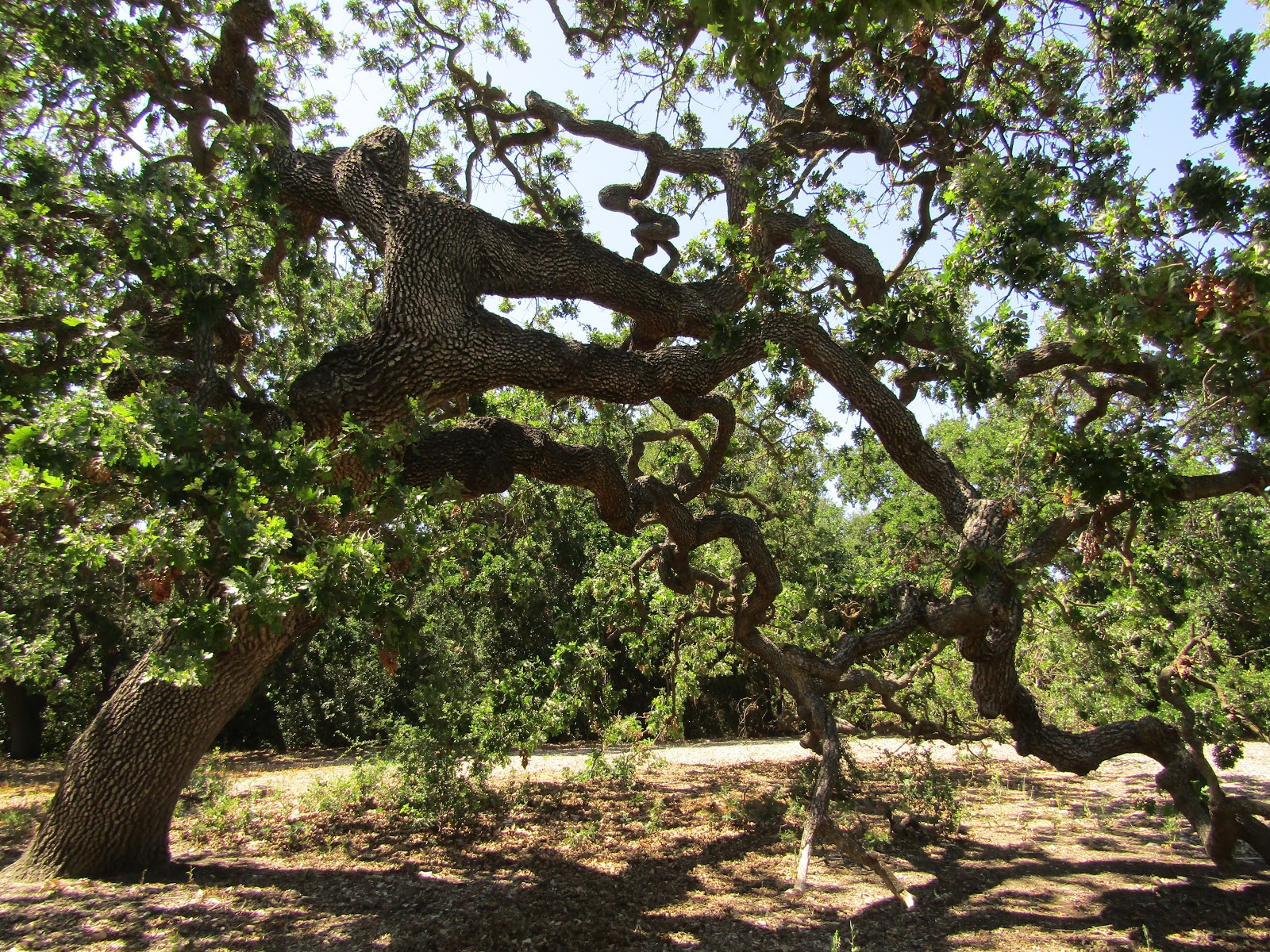
A community of trees in Southern California
June 2018
This proverb is a part of my life because of my cousin Donny; who’s a better Christian than I am and much smarter too. Don is a couple years younger than I am and he became a Christian about the time I was starting seminary. He and I had talked before about what it meant to belong to Jesus, and he was always a good listener. He told me that a lot of people had been talking to him about Jesus. He took a while to decide and I’m not sure that I played much part in it. When he gave himself to Jesus, he grew fast. He was a fast learner.
Don soon found this verse and applied it to the two of us. When we were a lot younger, and outnumbered two to one by our sisters, we talked about being brothers. We lived just a few miles away from each other in those days. Every week, we saw each other and played together, and it meant a lot to me.
 I also always felt that Donny was my friend and my brother, and in Christ we could be the “friends that stick closer than a brother.” That’s exactly what we wanted. Only I am pretty sure that I haven’t lived up to it, which makes me sorry.
If anyone asked me about whether this proverb was really about friends or else more about brothers, my answer would have to be “Yes”. Because that’s what my cousin and I were.
The proverbs all fit together anyway, like the pieces of a puzzle. The proverb has to be about women and sisters just as much as being about brothers, because there is the other proverb in our reading: “He who finds a wife finds what is good and receives favor from the Lord.” (18:22) Surely that’s about finding something even more than a friend and brother together.
Brothers, sisters, wives, husbands, friends are a gift and they are the grace and favor from the Lord. They are a kind of miracle, no matter how much work they take to maintain.
Another piece of the puzzle is the fact that two brothers are like fortress towns that stand close to each other. A fortress town was a safe place. Walls and gates were solid things that you could trust to save you from losing everything, and losing yourself, to be taken away by enemies into exile or slavery.
The problem came when the brothers, sisters, or friends fought. I truly wanted a brother when I was a kid, but as I got older I saw the way brothers fought. That could be nasty.
In the proverbs, it isn’t even about fighting, per se. It was about one brother offending the other. I think you can fight without getting hurt but this was about hurting. We read the proverb that says: “An offended brother is more unyielding than a fortified city, and disputes are like the barred gates of a citadel.” (18:19)
When the two fortresses are friends, and an enemy knocks down your strong, protecting walls, you can make a run for it to your brother fortress. If you make it to the gate, you will be safe. But, if you haven’t taken time apart for your brother-fortress and met your priority to heal each other from the wounds of your fights and offenses, then your brother-fortress might be closed against you. Having a brother-fortress, or a sister-fortress, is a miracle. A brother’s or sister’s shut gate comes when someone has been ungrateful for a miracle. Someone has been ungrateful for the relationship that makes you stronger than just being yourself.
There are friends who are companions. They are connections with whom you eat, and work, and play, and there are friends who are brothers or sisters and these are miracles, because many, many companions can never equal one sisterly friend or one brotherly friend.
“A man or woman of many companions may come to ruin, but there is a friend who sticks closer than a brother or sister.” It’s true there is strength in numbers, but Proverbs would tell us that there is greater strength in trust. There is greater safety in faithfulness.
The God of the Bible teaches us that faith and the faithful object of our faith are stronger than strength. What happens between one human and another, or between just a few faithful humans is a model that points to our relationship with God.
God is the best fortress: “The name of the Lord is a strong tower; the righteous run to it and are safe.” (18:10) Names (even the names of the Lord) are not magic spells that work on their own if you remember to use them right. Names (in the Old Testament) were supposed to reveal what you were made of. The reason that Lord would sometimes change the name of human being whom he was calling (like changing Abram’s name to Abraham) was that the new name would reveal that God was making him into a person who was made of more than he was made of before God took charge of him.
Some people say the name of the Lord is Jehovah, but that was a misunderstanding and a mistranslation of the Hebrew alphabet that began in the Middle ages and continued for a few centuries after that. Which is why Christian hymnbooks and songbooks have the name “Jehovah” in them.
The proper pronunciation is closer to Yahweh. Yahweh is short for “I Am Who I Am” or “I Will Be Who I Will Be”. God’s name is a mystery that carries the message that God is made of bigger and greater stuff than anyone can know.
The message of the name of the Lord is more than a name. The message of the Lord’s name is that the Lord is bigger than you think, so trust him and know that you are safe in his purpose for your life. The reason why the name of the Lord is a strong tower of refuge is that he is always more than you can ever imagine him to be. “I am who I Am” and “I Will Be Who I Will Be.”
Friends, sisters, and brothers are fortresses because we are created to be fortresses for each other. We are created to be fortresses for each other because God has made us in his image, and God is the best fortress of all. God is the ultimate strength and security, and so God has created us to join him in helping, protecting, sheltering, and loving others as he does.
God is our friend. He’s doesn’t get that name in Genesis, although that is where we see God confiding in Abraham, and listening to Abraham, as a friend. Centuries later, during an invasion of the Kingdom of Judah, King Jehoshaphat, asked the Lord for help and described the relationship between the Lord and the descendants of Abraham this way: "Did You not, O our God, drive out the inhabitants of this land before Your people Israel and give it to the descendants of Abraham, Your friend forever?” (2 Chronicles 20:7)
There is a long-term plan, still in effect, and still moving forward, in which the Lord wants to insert his model of friendship back into a world that knows almost nothing of such friendship. You and I are a part of this plan to insert and spread the power of God’s friendship on a lost and alienated enemy planet called the earth.
The plan began with Adam and Eve. It took a great step forward with Abraham, Moses, and Israel.
And then God came down in Jesus, so that he and our human race could get hitched together. God hitched his friendship to us by becoming human, and offering himself as a sacrifice, as a sin-offering, and as a peace-offering, and as a Passover offering to take us out of the slavery of a life where we don’t belong. God is the Passover sacrifice that give us what we need to get to the promised land (or the Promised Life) where we can live like a fruitful vine, bearing lots of fruit in every branch; in every single one of us, pruned and prepared.
In Jesus God did this, letting the sins of humanity kill him on the cross, and then by overcoming the death created by sin, by rising from the dead. The Lord did this because he is the one to whom all models of brotherhood, and sisterhood, and friendship point. Our miracle relationships point in agreement to the greatest miracle of all.
This miracle is the Word of God becoming the action of God, made flesh in Jesus, and offering himself for us in sacrifice and power. In Jesus, God himself lay down his life for his friends: for us, and for those to come. Some of those to come will come to this friendship through us, or through other friends of Jesus who are our friends.
We will be the friends who lay down our lives for new friends, and for our oldest and dearest friend, Jesus. I say this to Jesus, every now and then. When I feel alone I speak to the Lord for comfort. I tell the Lord, “You are my oldest and dearest friend.”
Jesus lay down his life for his friends, including us, so that we can learn how to see him as our friend and lay down our lives for him. When a twelve-year-old child, in some wild part of this world, would rather be beheaded or crucified, rather than deny his oldest and dearest friend Jesus, we can see the power of this friendship. Jesus told his friends that he was doing this so that they, and we, could bear fruit, “fruit that will last.” (John 15:16)
The truth is that we know very little of this power. Christians in the western world get angry and loud at the thought of being humbled, or being pushed to the outside of things. We’re afraid of being the victims of injustice or discrimination.
Not that we should be passive in a free and democratic country. The law allows us freedom of speech, and freedom to vote and we have a duty to use those rights. And we should speak and work unafraid, as the friends of Jesus. The friends of Jesus never panic.
Knowing the model for friendship in the Book of Proverbs helps us to know what Jesus is talking about in the Gospel of John, about the costliness of friendship in the work of bearing fruit. It begins with the laying down of the life of God, in Jesus, on the cross. It continues with the laying down of our lives at the foot of his cross: then, perhaps, we will follow the friendship of Jesus through crosses of our own. We will go on to carry a cross for others so that others can bear fruit that will last.
Perhaps we can say it begins by laying down our lives, here and now, in this place. Then we won’t be, any longer, quite our own.
You don’t just lay down your life by suffering. You also lay it down by belonging. You lay yourself down to make yourself into a safe place for others; to defend and protect others.
When Jesus gave himself for his friends, his friendship took on greater and greater power. Our giving ourselves, here and now, and in the future, will do the same.
The fellowship of the Lord’s Table, here, is another model of the Lord’s friendship. It’s a model in which we participate. As we participate, we find that the friendship grows in this place as we come to the same table (the table of Jesus) together. The bread and the cup are his friendship that we take into ourselves. What we eat and drink here becomes the power that gives life to every cell in our bodies.
With Jesus’ offer to choose and receive us, and with our consent to come and receive him, Jesus himself becomes our bread of life and our cup of salvation. It courses through our blood. Jesus courses through our souls, our inner selves.
It’s a meal with friends. It’s a meal for friendship, and refuge, and mission. It’s a sister-and-brother-fortress.
Belief isn’t about ideas. It’s about trust and it’s about action based on that trust. As the unbelieving slave, Onesimus, became a believer and one who trusted Jesus, he also became like a son and a brother and a friend, at the same time, for Paul. Paul became his father and brother and friend at the same time. We become friends as close as brothers and sisters, as we come to this table, trusting Jesus.
It isn’t that easy to even come to church. It was very hard for me at one time. It was embarrassing. I had to trust Jesus more than I trusted my pride and my fears. Even walking our short aisle to the table takes more giving than you may think. You are coming to something more than you can see, or hear, or sense, and you are trusting that this mystery wants to be your friend.
Let’s receive Jesus, our oldest and dearest friend. He lay himself down for us on the cross. Let’s start by laying ourselves down for Jesus, and for each other, here, now.

Saturday, August 11, 2018

Good News - The Story of a New Purpose


Preached on Sunday, July 15, 2018. This is the conclusion of the previous message "Good News - The Story of a New Beginning".

Scripture readings: Isaiah 42:1-7; Luke 4:14-30; Luke 24:36-49

The day that Jesus rose from the dead began a day of complete confusion for his disciples and friends. Jesus’ body was gone. They knew that. They didn’t know what it meant.
Walking around Avalon, Santa Catalina Island.
And scenes from a "touring jeep" of the island.
The end of the cruise with my cousin Christine
June 13, 2018
At first, they wondered: Had the body been stolen? But who would do that, and why? Who had anything to gain from it? Would the authorities do it in order to blame it on them, and then would the authorities produce the body to shame them, and make them a laughing stock?
Of course, Jesus had said he would rise from the dead, but they never thought he meant that literally. (Luke 18:33) His death meant an irreplaceable loss. When they lost Jesus, they lost not only a teacher, a friend, a leader, a wonder-worker; they lost their hope.
They hoped that Jesus would be the Messiah, the King. They hoped that Jesus would lead them at the head of an army to defeat the Romans. They hoped that Jesus would lead them forth to conquer the world and hold the empire for the glory of God.
They loved God, and they loved Jesus, who stood, in their hearts, very much for God and for the kingdom of God. Now this was lost and their hope had died.
When Jesus died on the cross, they died too; and that upper room, had become their tomb. Only it was a living tomb of a disappointed faith, and a failed hope, and a grieving love, and (on that first day of the week) a source of complete confusion.
They had had their doubts, all along, about Jesus’ strategy to bring the kingdom. They had never really bought into that strategy. They just liked Jesus. He was scary sometimes, but he made them happy. And he made them feel important, too; very important. They especially liked that.
The Bible is a gift by which God speaks to us. It tells us about God. It tells us about ourselves. And here we find a little picture of God’s people, the church.
It shows us how they were afraid of believing and living in faith. It shows us that they liked Jesus, but they didn’t like it when he went too far, or when he asked them to go too far with him. They felt far better huddling in the room of a building where they had had good times, and where they felt sheltered from the risks and the judgments of the powerful people who judged them, and who wanted them not to exist.
And there we are. It turns out to be a picture of us, or at least a picture of what we are always on the edge of becoming, because we like to be prudent and safe, because the world outside is a messy place (but really only as messy as we are, if only we could see ourselves as our faithful God sees us).
We don’t always feel sure about buying into Jesus’ priorities and strategies. We like Jesus a lot. He makes us happy. He even makes us feel important.
But he can be sort of scary. He has crazy ideas about love (his love for us and the love he tries to squeeze out of us for others). He has crazy ideas about risk taking for love. All those crazy ideas are just so scary.
Instead of leading an army, Jesus died on the cross for the sins of the world, and for our sins. Instead of ruling a world government from Jerusalem, Jesus rose from the dead to give life to the world, and to us.
This seems an odd way to build a kingdom. What kind of kingdom could he have been thinking of? How could his death and resurrection be a sane strategy for us to follow him and work for him?
Death and resurrection were the first part of his strategy that didn’t make any sense. The second part of his strategy didn’t make sense either. This strategy required him to show us that he is alive and victorious in spite of reality.
Faith means seeing a different reality. His strategy required him to make us sure of what he did, knowing that he had definitely done it, and that he had done it for us and for everyone else who would trust him. Jesus’ strategy requires us to know that death and resurrection are his plan for us. It’s his plan for us today, every day, and forever.
Once we see the glory of those scars that he got because he loved us (a strange kind of glory), and once we know from personal experience that Jesus’ kingdom works through his death and his resurrection, he puts us in charge of gathering the world to this strange kingdom. Then he disappears.
Well he doesn’t exactly disappear, but he sure doesn’t leave traceable footprints or fingerprints. The only prints left on the scene now are our own. But he shows himself the same way to each one of us. He has to.
The love of a God who became human in order to die for the sins of the world, and in order to rise from the dead, is supposed to bring the kingdom of God by changing hearts, and minds, and lives. God’s power in the cross and the empty tomb ends old lives and starts the new life of being born again. This change is his death and resurrection taking place within us.
The whole world is supposed to recognize that it needs this kind of love to empower the change of death and resurrection within us. We are supposed to realize for ourselves that armies, and laws, and education, and technology (though they have their place) will never change what really needs change that comes from the death and resurrection of human hearts, and minds, and lives, from their old selves to their new selves.
The new life shows us a God who loves us more than we love ourselves. It shows us a God who loves the world more than we do, and who loves life more than we do, and who has the power to set us free to live well and not be afraid: a different reality.
In the kingdom of God there is the power to be truly free. This is where the forgiveness of sins takes us. This is resurrection, too.
Jesus not only makes this possible; he makes it a promise. Jesus makes you the evidence-givers of change and freedom. He makes you and me his witnesses. The purpose of witnesses is to give testimony. Testimony can take the form of words, but the best kind of testimony is solid evidence.
So, your purpose and mine, as Jesus’ people, is surely to be the solid evidence of the dying and rising of Jesus. We are to give solid evidence of repentance and the forgiveness of sins.
So, when do you intend to start? When are you going to repent and change? When are you planning to forgive? I know, this means me too! It raises a lot of questions.
Repentance is a kind of change. Forgiveness is a kind of freedom. It is a kind of liberation and healing of the heart. Repentance and forgiveness are both ways of making a new world and setting things right.
Sometimes we make repentance and forgiveness into purely spiritual things. This is wrong. Jesus describes his mission in a way that includes everything in life, everything in the world, and not just what we consider to be spiritual. “The Spirit of the Lord is on me, because he has anointed me to preach good news to the poor. He has sent me to proclaim freedom for the prisoners and recovery of sight for the blind, to release the oppressed, to proclaim the year of the Lord’s favor and acceptance.” (Luke 4:18-19)
Jesus created the kind of change and freedom that deal with every kind of problem. He didn’t only deal with spiritual blindness. He gave real blind people sight. Jesus didn’t only deal with the spiritually poor. He fed the hungry. The repentance and forgiveness that Jesus authorizes is not just spiritual help for people, but passionate help for all the kinds of problems that people have.
There are prisoners of the mind, and prisoners of abuse, and prisoners of addiction, and prisoners of depression, and fear, and anger, and lust, and pride. And there are prisoners in prison. Jesus’ mission applies to them all.
Jesus gives us the job of being his solid evidence to them all.
The idea of witness has another side to it. A witness is a kind of extension of an event. A witness is a kind of extension of another person. Jesus makes us into extensions of him in this world.
What Jesus does for us is not supposed to stop with us. Jesus wants to play through us. He wants to extend himself through us to others.
He extends himself to each one of us in our hearts. He extends himself through the way we relate to the other members of his family, the church. He extends himself by stretching us, as his church, out into the world. His work becomes our work.
We become the extension of Christ to the world, as individuals and as the church of Christ. He extends himself through us in order to extend himself through those we touch: through them to others, still; and on, and on.
What are we to do?
In the Christian life, there is a basic issue of faith. We are nothing if we don’t believe that (one way or another) the Lord is the creator of the heavens and the earth. “The earth is the Lord’s and the fullness thereof.” (Psalm 24:1) Faith means living like people who believe that the world belongs to God.
In the same way we are nothing if we don’t believe that the Lord is the creator of a new world of grace through the cross and the resurrection. We live like people who believe that the old world has passed away and that a new world has come; and is coming.
New rules apply. The old rules (which the citizens of the old world believed were important, and smart, and successful) no longer apply in the new creation. Faith requires us to live believing that what Jesus stands for are the things that matter. That is part of the repentance we need to show as evidence, as witnesses.
Jesus said that repentance and forgiveness of sins are to be preached in his name; that is, in the Christ’s name, the Messiah’s name, the King’s name. The idea of doing something “in his name” is easy to understand.
It’s as easy to understand it now as it was when we played cops and robbers long ago. When we were the cops who yelled, “Stop, in the name of the law” it meant that we had authority to say “stop”. Our order carried weight; the weight of authority.
As the people of Jesus, you carry weight with me, you have authority in my life. I may not do what you want, or what you say; but I care about what you want and I care about what you say, because I love you and I know you are children of God. You are loved by Jesus. That has to carry weight with me.
We don’t always do what Jesus wants or says but, if we love him, he carries an immeasurable weight with us. The authority of Jesus sending us on his mission as his witnesses weighs upon us, even if we don’t listen or respond.
If we run under his weight, or mass, then that weight becomes part of our momentum. It budges us. It moves us. If we stay still under his weight it will just squeeze us. It will crush us.
I’m not proud of being a pastor. I’m not proud of my service to him. But Jesus’ calling carries weight with me.
When I tried, a long time ago, to ignore his calling and not run with it, it made me very unhappy. You can’t love God and expect to be happy if you don’t do what you know he wants. There are a lot of Christians who, if they were honest with themselves, would realize that their spiritual dryness and sourness comes from not doing one special thing they know very well the Lord wants them to do. They are avoiding something, and they pay for it.
But you have to understand that I am not talking about the guilt that comes from neglecting a duty. I am talking about the weakness that comes from ignoring a grace.
What God wants from you is the willingness to discover a special grace that will only come from crossing the line that you refuse to cross for Jesus’ sake. The unwanted calling that comes from God always has grace in it. It is always a new discovery of God’s power and love.
You have a mission to the world in the King’s name. It may be the world at your doorstep. It may be the world around the world. The mission of Jesus does not stop with you.
Then you must know that you have the Father’s promise, the power from on high. (Luke 24:49) For one thing, the word “promise” means that you are people of promise. You need to know that, as the old saying goes, “God don’t make no junk.”
Dependence on God alone is not powerlessness. Confidence in God alone is not a lack of confidence. When I see a child fumbling around with a ball, or plinking tuneless notes on a piano, I don’t see imperfection and failure, I see promise, and that is how God sees you, as people of promise.
The Lord promises you his Holy Spirit. Through the Spirit, you will receive the gifts and you will bear the fruit you need in order to be the glorious children of God: witnesses of the cross, witnesses of the resurrection.
When Jesus talks about the “power from on high”, “power”, here, translates the basic Greek word “dunamis” from which we get our word “dynamite”. We are people of promise because God has given us dynamite for doing good.
Hear this! There is something you cannot see or hear that wants to go to work through you. The life of the Spirit is not just talk. God is God, and God is supernatural in his power. But the supernatural work of God goes on in disguise. The work of God goes disguised as you and me, and as the Body of Christ.
You may fret and grumble, but there is a power that is able to work beyond your ability, and beyond our very best plans. People may come to see something in you, and in us, that you don’t see in yourself, or in us. People will come to see in your words and your actions, and in ours together, something pointing to God.
The Holy Spirit is the most secret and invisible aspect of God. The Holy Spirit is the most humble aspect of a carelessly humble God, who is not afraid to sweat, and bleed, and die. This Holy Spirit is a gift of the Father and the Son. The power from on high has the freedom to work in every follower of Jesus, because Jesus’ death and resurrection has given you a new, risen life and, therefore, you are fit (and we are fit together) in the Father’s sight, for the fullness of his power.
The Holy Spirit was present in the creation of the heavens and the earth, and the Holy Spirit is present in God’s recreation of your new life. The Holy Spirit is present in the new creation taking place in others when you bring Jesus to them in your words and actions. Trust the promise of the Father. Trust the promise of Jesus: “I am with you always.”
Jesus’ kingdom is a strange kingdom. He rules by means of death and resurrection. He rules by means of repentance and the forgiveness of sins. Jesus is ready, willing, and able to perform the major surgery of his own actual Jesus implant in you and in me. Because of our Jesus implant, we die and rise daily, and we will win God’s victory.
We will know the change of repentance and the freedom of forgiveness. We will have something worth giving to the whole world. We will be his witnesses empowered from on high.

Saturday, June 2, 2018

Memorial Day – Seeing God at the Heart of Things


Preached on Memorial Day Sunday, May 27, 2018
Scripture readings: Psalm 46:1-11
Walking near Crab Creek, north of Mattawa/Desert Aire, WA
April 2018
In the Psalm we read this morning, no clue remains as to who wrote the psalm, or when it was written, except that it was written after one of the many times that war came to the doorstep of Jerusalem and almost destroyed it. It was written by someone who had stood upon the wall of the city, because everyone in the city had become a soldier, and looked out at the thing that might destroy him, and everything in life that was familiar to him, and everyone he loved.
It was ugly. There was a heavy terrible smell in the air of fire, and old blood and gore, and fresh blood and gore, and death. The air was full of sound: hoarse shouting, orders barked, battle signals, cries of the wounded, the groaning and cracking of war machines (catapults and battering rams) the whizzing of arrows and the rattle they make around you when they don’t hit something soft.
There was a lot to watch, as well, if you wanted to show your face long enough to take it all in: the changing of troops, new trenches (within bow-shot now of the city) for the enemy archers, signs of tunnels dug to undermine your walls.
How many are out there? What are we up against?
There are too many for us. The enemy’s bigger than we are. It was a human hurricane, an ocean of armies, raging outside.
The defenders called their home Mount Zion, but they didn’t feel as if they lived on a mountain now. Zion had never really been a mountain. Now, the mountain felt more like a sand bank in a rising tide.
Then, we aren’t told how it happened, but the crisis passed. The enemy was gone. There were enemy dead to be buried or burned, and their own dead to be buried. There were the shattered weapons and the wreckage of war to be salvaged or disposed of.
There was exhaustion, and grief; and relief, and a wild crazy thrill of hope that swept through them as they watched broken spears and useless chariots consumed in bonfires. They had met the impossible, the terrible, and they had come through it.
How had they done this? The writer says that they had a secret weapon, a hidden defense within their walls. He says, “there is a river whose streams make glad the city of God.” They had something on the inside that kept them going when things went wrong on the outside.
An ancient city and its nation, however high its walls, couldn’t protect itself or stick it out in a siege without a permanent, reliable supply of water. This was a problem for Jerusalem, because it had only one source: the tiny trickle called Siloam.
The spring Siloam was tunneled under the city to be safe from invaders. When a siege was long, and the cisterns were empty, everyone drank from the same small stream. It wasn’t a river at all. It never had been. It was just barely enough. But it was enough.
The city, and the nation it stood for, could rely on the stream of Siloam to refresh them when everything else depressed them. Siloam symbolized all the gifts and traditions that enabled them to hang on.
First, there are two things that go together. Siloam stood for what was good in Jerusalem. Siloam stood for what they had to be proud of. Siloam stood for everything that what we call patriotism focuses on.
The odd thing here is that what the psalm held onto as the great goodness of his people and his home had very little to do with the common ideas of greatness. Siloam represented what was small. The spring of Siloam was small, not a river at all, but it was what they had. Jerusalem, the great city, wasn’t more than a town, and Mount Zion was only a hill.
The good things in Jerusalem were the little things. The greatness and goodness of Jerusalem weren’t in its high walls, or in the palace that Solomon built, or the golden shields of the royal guards.
Long ago, Moses had told Israel what its greatness would be. He said, “What other nation is so great as to have such righteous decrees and laws as this body of laws I am setting before you.” (Deuteronomy 4:8)
The greatness of those laws didn’t consist of being an impressive system of do’s and don’ts. The greatness of those laws were fairness, compassion, honesty, generosity, and freedom, and protection for the vulnerable: the widow, the orphan, and the alien. (Exodus 22:21-23)
It was a greatness that they seldom appreciated. It was a greatness that they often broke. It was a greatness of the heart that came from God. And that was the secret of where true greatness lies: depending on God and imitating the heart of God who loves whatever is little and calls the little things his home.
When the nation finally lost that, the spring that refreshed them dried up: not literally or actually, but it dried up so that what they fought for was a fiction. The truly memorable sacrifices aren’t made for glory, and power, but to protect a way of life that is found in what this world sees as the little things: a sweet little stream of decency and compassion.
The writer of the Psalm had a love for little Jerusalem, and its ways, because they were God’s ways that loved the little things. It was a love of home, more than a love of gain and glory. This is what made God’s people strong. This is what made the words of the Psalm so beautiful. It’s the same thing that makes a family great. It’s the same thing that makes a church great. It’s love.
The second thing the stream stood for was unity. There was only one place to go for a drink, whether you were rich or poor, young or old. You knew that you were all the same. You were all in the same boat. You knew that you depended on the same things, and you worked for the same things.
I think that Memorial Day means most to people who simply love. They love the people who have loved home and the little things that are beautiful and that are made to be shared by people who will work hard and take care of others.
Memorial Day is about home. Memorial day lives in people who have not let themselves be divided into groups of “us and them”. It’s for those who have decided that we are all in this together.
But the most important meaning of the river whose stream make us glad is not a thing at all, but God Himself.
“There is a river whose streams make glad the city of God, the holy place where the Most High dwells. God is within her, she will not fall.” (Psalm 46:4-5)
The poet on the wall thought, at times, of what it meant to fight for his little Jerusalem, that huddle of houses, the women who gossiped in line as they filled their jars from little Siloam, the families who were so great because of the way of life they had tried to follow. This thought strengthened him, as he drew his bow, or dodged the incoming arrows. If he thought about it, he realized that his life actually depended on the fact that someone was fighting for him.
This was the secret for hanging on. The good things that he loved: his land, his city, his people, all that was good was there because God was there.
Of course, God is everywhere, but these people tried to love goodness more than greatness. In some strange way, God is great because he doesn’t care about greatness: God cares about goodness in the little things and he stays faithful to that and makes his home there.
The universe seems to honor power or energy or creativity. But the unseen world values love. The universe will come to an end, but the unseen world will go on forever, because it is built on love.
The people on the wall of the city trusted this. They had the will to fight the impossible battle because they depended on this. There is a strength and morale that is boosted by knowing that you stand for something, and by having confidence in it.
But it’s even more important to know where this goodness comes from and to see our nation, our town, our church from God’s point of view. God’s point of view is not from the outside looking in. God is inside the things that are most worthy of love. God is inside whatever is most worthy to worry about, even though God tells us not to worry. God lives with those things and he is at work. We have to see this: “God is in the midst of it.”
When we look at nations, governments, cities, towns, churches, it might not be easy to see exactly what God is doing, but we have to see God at work, and we have to make a commitment to work where ever our Lord is at work.
In Jesus, God came into the midst of things, of home, and town, and church or synagogue, and nation, and everyone had to decide whether they would let him be there, in the midst of everything with his heart on display, standing for the little things and the little ones. Displaying his passion for the little things, he stood with them, and with the scorned and the rejected.
The little things, the little ones, the childlike, the vulnerable, the scorned, and the rejected stood with him. Those who spoke most about power and being smart rejected him and crucified him: and so, in Christ, God died for the sin of the world.
In our wars, in our nation, in our towns, in our families, in our church we stand in the midst of things with Jesus: or either with Jesus or against him. We have a nation which, at its best, has stood for the little things and stood up against those who stood for power, and gain, and glory. We’ve stood for the humble, and the little, and the free. We’ve stood for those who needed grace, as people who know that we need grace.
Part of the Lord’s grace to our nation is that even those who don’t know him by name have still stood with him for the little things. And, so, we have fought and lived, as one, for these little, humble things that make families, and homes, and nations good and worth fighting for, just as Jesus has fought and died for us.
Without knowing the Jesus who was to come, the writer of our Psalm and the people of Israel needed to see the presence of God at work in the heart of their nation.
We need to see where the Lord is at work in the world as it is, and not in the world as we want it to be. We need to see where he wants us to work with him in the little things and make our home with him there.