Showing posts with label Discipleship. Show all posts

Friday, April 13, 2018

Passionate Jesus - Till the End of Time


Preached on Sunday, April 8, 2018

Scripture readings: 1 Peter 4:7-19; Mark 13:14-37

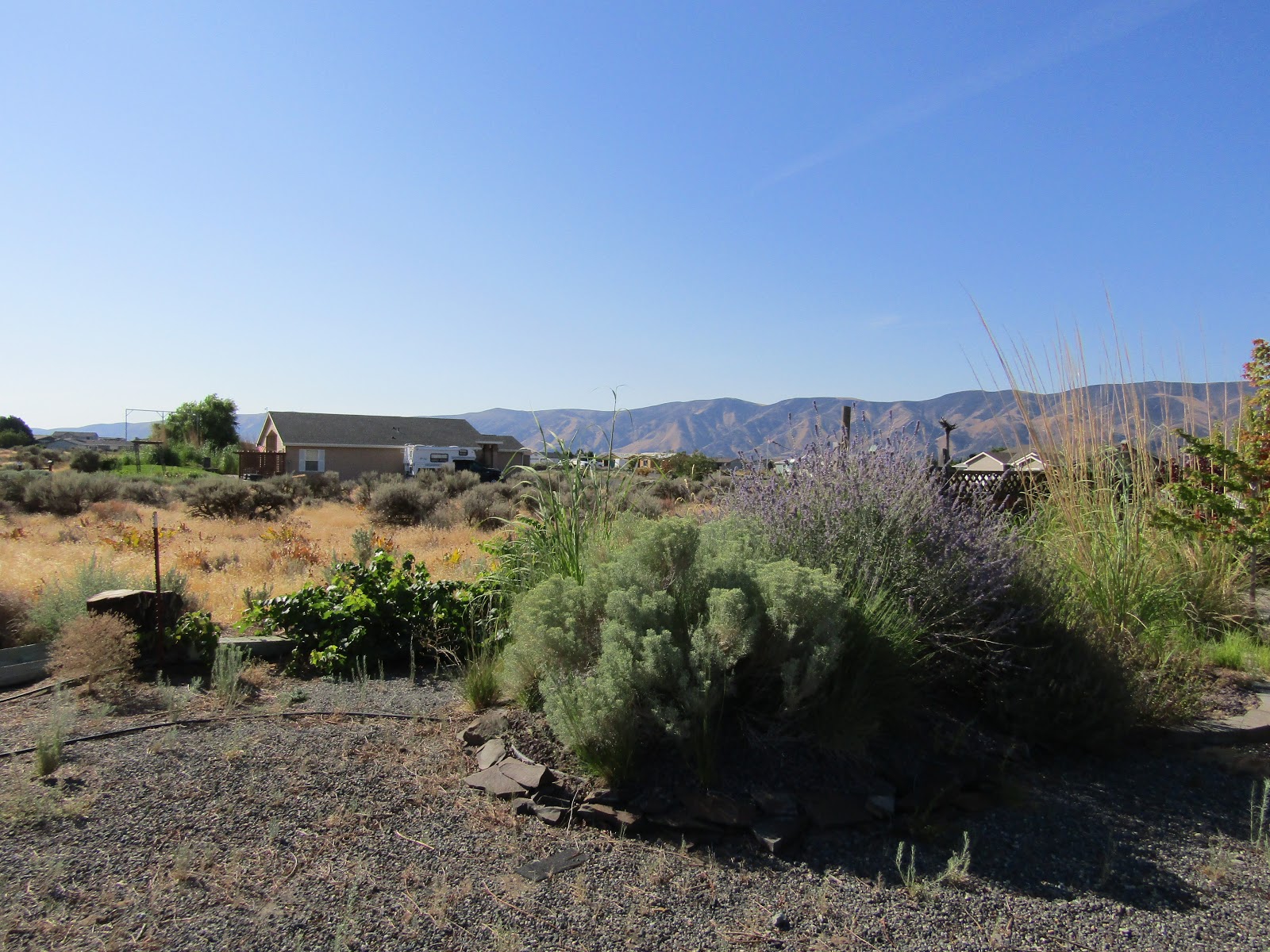
Walking along the Columbia River
Desert Aire/ Mattawa, WA
March 2018
There was a little boy who constantly begged his parents to let him have a dog. Their answer was always the same: he was too young.
Finally, they told him that he was responsible enough to get his dog. So, they all went to the pet store, and his parents turned him loose to choose his own puppy.
It was hard for him to make up his mind. There were Labrador puppies, Dalmatian puppies, beagle puppies, and dachshund puppies. Finally, the boy chose one little mutt-puppy who was wagging and wagging his tail like crazy.
When his parents asked him why he wanted that mutt-puppy, he explained that he liked the way the puppy wagged his tail, “I want the dog with the happy ending.”
The story Jesus tells in chapter 13 of Mark is a story with a happy ending. It just happens that it is a scary story with a happy ending. The scary part takes up most of the story, and the happy part almost doesn’t get told before Jesus closes the book. But we will look at that later.
Jesus told the story in answer to a question his disciples had. They had all been wandering together around the buildings and courtyards of the great Temple in Jerusalem.
It was a wonder of the ancient world. Enormous wealth had been committed to rebuilding the ancient place and making it as overwhelming and inspiring as possible. The complex was huge: forests of columns, the whitest marble, gold leaf and gold plate. The first century historian Flavius Josephus reported that some of the stones were a large as 37 feet long, 12 feet high, and 18 feet wide.
Naturally, the disciples were in awe. “Look, Teacher! What massive stones! What magnificent buildings!” And Jesus said, “Do you see all these great buildings? Not one stone here will be left on another; every one will be thrown down.”
Later, Peter, James, John, and Andrew came to him, on the Mount of Olives, and they asked, “Tell us, when will these things happen? And what will be the sign that they are all about to be fulfilled?”
Jesus never really answers this question. They ask Jesus: “When?” Jesus doesn’t answer that question. He confesses that he doesn’t know when. He says: “No one knows about that day or hour, not even the angels in heaven, nor the Son, but only the Father.” 
Our problem with this is that we are human beings and we really want to know the answer to questions like this. We want to know the future. And we want to know the future because we want to be in control.
In the Garden of Eden, Adam and Eve ate the forbidden fruit, the “Fruit of the Tree of Knowledge of Good and Evil,” because they wanted to be in control. They wanted to be their own little gods.
Even Christians are tempted to try to be our own little gods, and so Christians for the past 2,000 years have tried to figure out the answer to the question Jesus said that even he didn’t know the answer to. In other words, Christians have spent the past 2,000 years trying to be smarter than Jesus.
That’s just part of our problem. Can anything good ever come of that?
I’ll share my theory of why Jesus didn’t know when the last days would come, and why it may be better for us not to know. My theory (and I don’t know where my theory comes from) is based on 1 John 4:8: “God is love.” We believe that God is the Father, and the Son, and the Holy Spirit.
I believe it is the nature of the Father to plan and provide. Love requires that as an ingredient. I believe it is the nature of the Son to trust and serve. I believe that this is also a necessary ingredient of love. And I believe it is the nature of the Spirit to honor and connect, because this is also part of love.
This is the pattern I see in how the Father, the Son, and the Holy Spirit relate to each other.
But the Son is about trust and servanthood. When Peter first heard Jesus predicting his death on the cross (8:31-33) he rebuked Jesus, and Jesus said, “Get behind me Satan. You do not have in mind the things of God, but the things of man.” Peter did a devilish thing by attacking the trust the Son in the Father.
Later (10:43-45) Jesus said: “Whoever wants to become great among you must be your servant; and whoever wants to be first must be the slave of all. For even the Son of Man did not come to be served, but to serve, and to give his life as a ransom for many.”
Jesus didn’t know the time of his return because it is his special nature, as the Son, to trust and serve. His Father knows the time, and that is enough. The Son may know the time now. But I don’t believe we know that for sure.
It’s especially in trusting and serving that Jesus gave us our salvation. It must be in trusting and serving, as the Son, that enables him, even now, to give us life in God.
Since Jesus, the trusting and serving Son, is the one who makes us sons and daughters of God, the pattern of his relationship goes on through us. So, our own trusting and serving, without our knowing the Father’s schedule, is the way we now have life in Jesus the Son.
We can’t have life in Jesus and contradict him at the same time. Jesus didn’t need to know the time of his own returning. Neither do we.
The purpose of God for our lives is for us to be like Jesus. It is good to know things, but it is not always necessary.
What is necessary is for us to trust and serve. And that is what Jesus’ story is about. Jesus answers the question, not of “When will these things happen,” but of “What will it mean to trust and serve till these things happen?”
Jesus said, “If anyone would come after me, he must deny himself, take up his cross, and follow me.” (8:34) Part of the work of Jesus on the cross, beyond the forgiveness of our sins, was to carry on his own shoulders the world’s troubles and sorrows: “Surely he has borne our griefs and carried our sorrows.” (Isaiah 53:4)
Jesus never leaves us, not even in our worst times. Now we are his hands and feet in the world, and Jesus will not have his hands and feet be absent from this world even in its worst times, even when those times are called the Great Tribulation.
In Jesus’ telling of the story of the beginning of a new world, at his return, it is not until the human beings on earth actually see “the Son of Man coming in clouds with great power and glory;” not until then is it that Christians will be gathered from the ends of the earth to the ends of the heavens to come down with Jesus.
We are like Christ, the Son of the Father, in this world. And, just like him, God’s people will never be absent from what goes on in the world he loves. Jesus promised to be with us always, even to the end of the world. Surely he meant that he and we would be present together, in this world, to the very end.
The average Christian, today, does not live in North America, or Europe. The average Christian lives in China, or Laos, or Indonesia, or Pakistan, or India, or Iraq, or Sudan, or Syria, or Zimbabwe, or Nigeria, or Venezuela, or Cuba.
The average Christian today lives in harm’s way. The average Christian today lives in a present or an anticipated Tribulation. This was the normal Christian life in the first century and this has not changed.
Even in the safety of America we face the very same troubles and fears that any of our uncommitted neighbors face. Only we face those troubles in fellowship with Jesus. We may be blessed, but we are not immune to anything in this world; not now, not never. This is what Jesus is saying.
The disciples wanted to know when to be ready. Jesus’ answer was “always.” Always be ready.
When they asked about signs, the disciples wanted to know what the things were that they would have to be ready to face. Jesus’ answer was that the signs were everything. Trust (live faithfully) and serve (be a servant), and do this in the face of everything: in the face of conflict; in the face of sickness; in the face of disaster. Trust (live faithfully) and serve (be a servant); even when governments and churches turn against you. Trust (live faithfully) and serve (be a servant) when everyone turns against you, even those you love.
Jesus says that there will come a time when all human powers will work together and try to put an end to the faith of God’s people; or put an end to their very lives. When that happens, Jesus says you can run, but try to run in the right direction. And even at that, don’t be afraid.
What if the disciples had asked: “What should we be afraid of?”
Jesus’ answer would be, “Don’t be afraid of anything. Whatever comes, you and your brothers and sisters will be able to outlast it, because the Lord rules. The Lord controls the clock. The Lord is stronger than anything that can come against you.”
Jesus said, “In the world you have tribulation; but be of good cheer. I have overcome the world.” (John 16:33) “So, don’t be afraid of anything.”
But wait! There is one thing that Jesus warns us to be afraid of. Maybe Jesus should have said this more clearly: “Fear only one thing. Fear sleep. Fear taking things for granted. Watch! Be alert!”
Jesus says that we are like servants who have been given assigned tasks in our master’s house. Our assigned task is to follow Jesus by being the same kind of servant that he always is. Trust and serve, and don’t stop.
Do Jesus’ work. Speak his words. Be his hands and feet. Be his mouth. Every day we have choices that challenge our alertness to Jesus.
We are asleep if we don’t see the meaning of our choices. Our choices are all either for or against Jesus, whether we are on trial before an emperor, or on trial before our friends and neighbors. We decide from day to day what we shall be in eternity.
This would be scary, except for one thing.
The truth is that we are waiting for Jesus. The Son of Man, coming in clouds with great power and glory, is Jesus who died for our sins, and for the sins of the world on the cross. Jesus loves us. He is planning a reunion of all God’s people in earth and heaven, including us. The Lord is planning a celebration with us.
Jesus compares the end of the story to the end of spring, and how you feel when you see the trees in bud. This time of year, we know how good that makes us feel.
The good news is that, as serious as Jesus is about our choices, he is also serious about giving us the right things to be serious about. Jesus is giving us a special kind of freedom. Those who follow Jesus don’t hide from what’s going on in the world. The people of Jesus can live in the real world without fear, without anger, without self-righteousness, and without any false sense of security.
What Jesus gives us is the call to trust and serve. This is the way to love with an open heart. This is the way to be loved till the end of time.

Wednesday, March 7, 2018

Passionate Jesus - A Life of Seeds and Storms


Preached on Sunday, March 4, 2018; Third Sunday in Lent

Scripture readings: Psalm 65; Mark 4:26-41

Various Photos from Desert Aire, WA and Washtucna, WA
In an old story about gardens, there’s a little girl who begged, and begged, and begged her parents to let her plant a garden all her own. She jumped for joy when they finally said, yes.
So, she borrowed some of their seeds. She also borrowed their tools and one of their bedsheets. She did her seeding, and she built an awning with the sheet draped over sticks to protect her seeds from the sun.
After that, she did as much as she could to get those seeds to sprout. She didn’t want them to dry out, so she poured water on them when she got up in the morning and before she went to bed.
She waited, and waited, and waited. Her parents garden was sprouting and growing, while not a single shoot appeared in her own garden.
The girl got so excited that she couldn’t help herself anymore. She used her own fingers to gently dig the soil in the lines she had marked, where she had planted those seeds, to see if they were beginning to sprout. And they were! Except that they stopped growing after she dug them up.
The story of the child reminds me of Jesus’ story of the farmer who goes out to inspect his fields night and day, waiting for the seed to sprout and grow.
You’ve got to understand that Jesus’ parables, or stories, often have crazy people in them and there’s no other way to understand them. Sometimes we can’t understand ourselves unless we compare ourselves to crazy people. Sometimes we can’t understand what God wants unless we compare what God wants with a lot of things that we would never do because they sound crazy to us.
The farmer is as crazy as a little kid, most farmers grow out of this, somewhat, although you really may have to be a bit crazy to be a farmer. I don’t think it would be much fun any other way. Hunters and fishermen and maybe golfers are just the same.
But farmers, and golfers, and little kids need to learn how to be patient. If you plant an orchard you have to wait for years (well, just a few years) before you see enough fruit to go out and bring it in. If you go for winter wheat, you seed as soon as you can after harvest, which happens in Eastern Washington around late July and into August.
If there’s enough moisture in the soil, you plant winter wheat in September or October. Then you wait eight or nine months (or more) until your next harvest is ready.
During those months, anything can happen. I wonder if the nervous farmer gets up in the middle of the night to look around because he’s wondering how that seed is going to grow with all the stuff that can possibly go wrong? That’s what I would do.
I know farmers who can look at the bare ground of their field and guess pretty well what’s going on underground. They can look up at the sky and read the wind, and any sign of clouds, and know if it means something good, or trouble.
The child and the farmer were crazy with impatience; but, if they acquired just enough patience to be only slightly crazy, then you would be able to see what their impatience was hiding.
The little bit of craziness that remained would show up as eagerness. You wouldn’t get up at all hours any more, but you would feel the eagerness that comes from love and from faith. As a farmer, you love your connection to the earth. A sane farmer has enough faith to trust that, whatever may go wrong, it will all work out.
The seed in chapter four of Mark is not a simple thing. The seed is too much even for Jesus, in the sense that it’s too exciting. Jesus knows that his seed can do so much. It can make such a difference. It’s so exciting that Jesus is not afraid to plant his seed over the world from the elevation of the cross.
In the first big seeding and harvesting parable (one that we didn’t read) the seed means the word of God or the message of the gospel (the good news of God). Then Jesus changed his mind, and the seed became the people who lived on the farm road, and the people in the rocks and the weeds.
With the mustard plants, Jesus changed his mind again, and called the seed the Kingdom of God, which means God’s positive power turning the world around until it moves with the will and love of God. The kingdom of God means that the love of God will be in charge, in order to change the whole world, and all the people in it, into a life full of love, and joy, and glory. Jesus has the crazy eagerness of a little child, a happy golfer, and a grateful farmer.
If our farmer is obsessed with worry and anxiety, it’s because he hasn’t learned to trust his good seed. He hasn’t learned to trust the soil beneath his feet, or to trust the sky above him.
If we don’t live our lives and plant our good seeds in faith, then we will live like the crazy, worried farmer. We need to trust God’s seed, whether it’s the word and message of God’s plan, or whether it’s the good news of Jesus carrying out that plan. We need to trust God’s good seed even if that seed may be everyone we know, and everyone we meet, wherever they are; in the good soil, in the rocks, in the weeds, or on the farm road.
The farmer in the big parable that we haven’t read is God. We are God’s field, God’s farm, and we are the workers in it at the same time. By this you can tell that the parables of Jesus are very wild, and moving all over the map.
Yes, even Farmer God is a little crazy. He’s too extravagant. He’s actually careless and wasteful in his love and grace. He’s crazy because he wastes his seed. To any good farmer this looks just about a crazy as a farmer can get. A good farmer never wastes seed.
If he lets his kids play in the wheat in the back of the wheat truck at harvest, the good farmer reminds them to empty their shoes, and empty their pockets and their pants cuffs back into the truck bed before they climb out of it, because there will always be some wheat caught in their shoes and all that, and wheat is real gold for the farmer. You’ll never have a harvest unless you scatter your seed on the soil, but you never, never, never waste your seed. Farmer kids learn that early.
But Farmer God is crazy graceful in a wasteful way. He pours out the good seed on everyone, wherever they happen to have fallen, on the road, on the rocks, or on the weeds. So, God’s people need to do the same. They need to prove that they share God’s heart, the way God does when he scatters the good seed on everyone, everywhere.
That’s why Jesus has to live in our hearts. Without a heart that’s crazy graceful to others, we won’t really look like him at all. The resemblance will only be a good makeover that’s less than skin deep: thin enough to see through.
You spread God’s seed by what you say and do. You spread God’s seed by living the message of the good news of Jesus. Your life embodies the kingdom of God that governs you with so much harmony: all this means trusting the precious seed of God as you plant it.
Trust means treasuring that good seed so much that you never hoard it. Faith means to spend that seed; to invest that precious seed for an even more precious harvest.
I have driven a wheat truck at harvest time, and parked with all the combines and trucks together in the last piece of the last field, when all the farm has been cut, and all the wheat has been gathered into the bins and elevators.
It feels so good to stand there with the rest of the harvest crew. It’s like heaven. I’m sure it’s a foretaste of heaven. It’s precious. It’s golden. We’ve won.
The parables of Jesus invite us to live our lives with him in a world like that. We trust the seed of God’s message and love. We even call that seed our own. We trust God’s crazy grace. We pour God’s seed out on everyone, because Farmer God does it.
We can trust the kingdom which is God’s good skills, and God’s good methods, and the power of love to rule us all, and to rule us well. The farm itself is the kingdom of God. In the old days, the farmhands were like family and they found a good life for themselves in the kingdom of the farm.
The parables are Jesus’ way of telling us this. They are also a lesson that we can never learn what it means until we take the time to sit close to Jesus and let him explain it to us, over and over again.
Seeing and hearing are not enough. We come to Jesus to perceive, to understand, to turn around, and find ourselves forgiven. Forgiveness is how the harvest grows.
The parables of Jesus tell us that understanding doesn’t come easily. And that even a farmer might know less about his own business than he realizes.
The worried farmer is right, in his own way. The story of the storm teaches us why the message of the gospel, and the crazy graciousness of our sharing, and the Kingdom of God, itself, need to be learned.
The worried farmer was right that anything could go wrong. There could be drought, or rain, or hail at harvest, just as a beautiful lake can sink a boat.
Except for the fishermen, the people of Israel, usually avoided being on the water. In their mind, bad things happened on the water. The worst of it was that, unlike being on the land, if something went wrong on the water, there was no place for you to turn and run.
They had legends of sea monsters. One kind of monster was called Leviathan, and it loved to play, but its play was evil. Leviathans at play raised the winds and the waves.
No one could control it or tame it but God himself. In fact, the stories of God taming Leviathan became the picture of God’s power to beat and defeat evil: the picture of God taming the waters and the oceans where the monsters lived. God possessed the power to do this because God, alone, is the creator, the Lord of heaven, earth, and sea, and storm.
Moses and Joshua made a path through the Red Sea and the Jordan River, but it wasn’t really them. It was God. Elijah was another one who stopped the Jordan but it wasn’t him either. It was God. Only God could command and subdue the seas and the rivers. No other human could ever hope to do it.
Then Jesus, who was not afraid to sleep in a sinking boat, calmed the wind and the waves of Galilee. Jesus did the job without using a tool like a holy staff or a mantel. Jesus did the job with his word; just as God the Father created the heavens and the earth, and tamed the monsters of the sea, with his word.
Jesus does what God does with a word. Jesus tames the storms of the sea, and the monsters within, with a word. Jesus tames our own storms, and the monsters within us. Paul wrote this: “God was in Christ, reconciling the world to himself.” (2 Corinthians 5:19) Jesus and his Father do the same thing. They share the same work. They work the same way.
Sitting and listening to Jesus tell parables or stories, and explain them, was so nice, so easy. They could go on like that forever.
Following Jesus showed his disciples (his friends) that living with Jesus included stories and storms, seeds and storms. Galilee wore a monster’s face in that storm; like old stories coming true.
The truth is that, wherever Jesus went, and wherever they went with him, they seemed to meet up with enemies, and danger, and evil. Jesus would go into a town, and the demons would drag their victims up to Jesus and make it look like Jesus was really being praised by the devil, as if he was serving the devil’s side of things.
The rabbis accused Jesus of this at least once. The devils were putting on a show in order to put Jesus in danger of being killed as a wizard. The disciples could be judged guilty by association.
After the resurrection, and after Jesus returned to heaven, the joyful disciples soon found that their lives still consisted of seeds and storms.
There is a battle: a spiritual battle. Churches and Christians, especially if they are faithful, will meet with storms: and sometimes those storms will be evil in disguise.
This comes not only from the outside. It comes from the inside too: inside a church, or a fellowship, or inside each one of us. It happened to the disciples with Judas Iscariot, one of the twelve disciples.
This is hard. It’s not enough to go by what you see and hear alone. You have to go deeper. You have to want to perceive and to understand, to turn and bring God’s power of forgiveness, which is the power of the cross. That is still how the kingdom grows. Even that might take some understanding.
If we have faith in God’s seeds, we must have faith that these seeds also work in the storms. We speak God’s word to our storms, the situations and the people.
We speak God’s word by living the life of Jesus in this world. We continue to live with crazy, extravagant grace and not withdraw. We let God the King give us our marching orders, because we are nothing if we are not a colony of his kingdom. We let God rule us more and more. That is another way to trust the good seed.
One thing about seed is that it looks nothing like the harvest. One thing that seed does have is that the harvest is present, hidden inside the seed. Every healthy seed has a tiny plant inside it, waiting to grow and bear fruit.
What we say and do for Christ may not look very much like Jesus himself, but we are the seed with Jesus in us waiting to sprout, and grow, and bear more seed. And God is the plant inside of Jesus, the seed inside of us, waiting to sprout, and grow and bear more seed. The harvest is really more of God, in Christ, in us. Someday everyone will know this.
Jesus is the seed: a baby in a manger, a carpenter turned teacher, a convict dying on a cross, a dead man rising with more life than he ever showed before his death: this is the seed. Even this doesn’t look like a new heaven and a new earth. This cross and empty grave don’t look like a multitude, from all nations and races and languages, that no one can count. The cross and the grave don’t look like a whole world of people who are also risen and new inside and out. The seed of the cross and the empty grave don’t look like all of this, but it has all of this in it, waiting to sprout and grow.
We have all of this in us: in ourselves, because we have Jesus in us. The life of seeds and storms is the life of Jesus, and we can trust this. We can be eager as kids, and golfers, and farmers. We can live crazy, gracious lives. We can live peaceful lives of seed-time and storm-time. We are made for both. We are save for both. And, someday, the harvest and the end of all storms will be ours.

Friday, February 2, 2018

Paul's Prayers - Quest for the Best

Preached on Sunday, January 29 2018

Scripture readings: Proverbs 11:30; Philippians 1:9-11

Paul says, “This is my prayer.”
And then, of course, we find that it’s not a prayer. It’s an explanation of prayer. Paul is telling his friends in Philippi what he asks for when he prays for them.
The gist of this is that Paul is telling them, in a polite, and loving, and teacherly way, what they ought to be asking for when they pray for themselves, and for each other, and for their neighbors. Instead of asking this church of his to share their prayer requests with him, so that he can pray for them properly, Paul’s telling them what their prayer requests ought to be.
They’re pretty basic prayers, and everyone who knows us would live a much happier life if we were asking for these things for ourselves. At the same time, everyone who knows us might be royally offended if they thought we were praying these things for them.
“Dear God, make that other church more loving. Lord, please make my children smarter than they are. And, while you’re about it, please make my wife smarter, too, but not too smart for me.”
You see how basic these prayers are. Now the Christians in Philippi knew how Paul always wanted them to get better and better. Read the letter (it’s quite short). It really is one of the most tender, confident, and loving of all his letters. Paul knew that, even now, they were loving, and they were wise, and they were off to a very good start.
Just keep on track. That’s what Paul said. They knew that Paul loved them, and he could say anything to them and get away with it.
Lord, make me more loving. Lord, make me smarter than I am. Lord, make me smarter in a more loving way. There’s the core of that prayer. Make me smarter, make me wiser, in a more and more loving way. Nothing less will do.
There’s no more important way to be smart or wise than to be smart and wise in the ways of love. If you’re wise without love, then you’re nothing better than a wise guy… or a wise gal.
Intelligence without love, according to Paul, can never discern what is best. It’s the knowledge and wisdom that come from a more and more abounding love (think, here, of love like water; overflowing; love that’s much too overflowing to hold it in; wild and joyful love that wants to hug everyone) … only such a love can discern and choose what is best.
It’s the love that comes through Jesus Christ to the glory and praise of God. We really can only grasp who God is, and what kind of love God is calling us to, by watching and listening to Jesus. (John 1:18)
We know who God is through Jesus, because Jesus broke down the barriers that our pride, and selfishness, and sin have built. He has broken down the high walls that have blinded us and hidden God from us. We, most of all, know who God is through Jesus, because (as Jesus said): “Anyone who has seen me has seen the Father.” (John 14:9)
There are some people who will say that Jesus is God-like, but I think it’s better to say that God is Jesus-like. The Father is like the Son. When “the fruit of righteousness that comes through Jesus Christ, to the glory and praise of God” is active and strong in us, it will lead others to glorify and praise God, because they have seen Christ in us and, through Christ in us, they have seen God, well ahead of the day of his coming.
In another letter, Paul says this about God showing the nature of his love for us: “But God demonstrates his own love for us in this: while we were still sinners, Christ died for us.” (Romans 5:18)
One of the fruits of righteousness is love: the deepest love is like the love that hangs for us upon the cross. The love and the wood of that bloody cross, that brought Jesus to his death, is our tree of life that gives us life. The fruit of righteousness on the cross is self-giving love.
We are to love our neighbors as ourselves, or love our neighbors and ourselves, because we are all made in the image of God, and we are all made for the purpose of becoming children of God. We become the children of God because God is in Christ, reconciling us, and reconciling the world to himself, through Christ. (2 Corinthians 5:17)
So, we are unable to discern and choose what’s best, or what’s excellent, unless we love like Jesus loves. We can’t work for what’s best in others, and we can’t work for what is best for our families, and we can’t work for what is best for ourselves, unless we love everything and everyone with the love of Jesus on the cross.
The knowledge of what’s excellent is not a love of success, or quality, or simplicity, or comfort. Excellence is dying and rising from the dead for others.
Paul will go on, in Philippians, to say that his own being in prison is for the best, and he’ll explain why. His imprisonment will tell how much more important the freedom and the grace of Jesus is than so many other things that this world counts as important, or influential, or powerful, or successful. His imprisonment will give his brothers and sisters in Christ the courage to live openly as Christians in a world where such faith seems foolish, and childish, and dangerous.
Our Proverb (11:30) says: “The fruit of the righteous is a tree of life and he who wins souls is wise.” If you show a life from Christ, and speak for Christ in a way that truly shows and speaks the love of God in Christ, you just may win souls. You may win the wandering children of God. Jesus may be seen and heard in you, and others will learn to love Jesus through your demonstration of that love of God.
If you read around this prayer, you will find other fruit; like joy, and courage, and goodwill. And bearing fruit also means to be pure and blameless.
Pure means that we are to be transparent, like pure glass. It means to be one thing through and through. It means to be full of loyalty, and truth, and sincerity.
To be blameless, means to not be the one who divides people, or wounds them, or offends them. To be blameless, means to not be a contributor to the harm that goes on in this world. It means to not be one of those who bear the blame. To be blameless also means to not be one of those who are shuffling their feet on the sidelines, because we’re too clean to get involved. To be blameless means to be part of the solution and not part of the problem. “Blessed are the peacemakers, for they shall be called children of God.” (Matthew 5:9)
“The fruit of the righteous is a tree of life.” A tree is always much bigger than its fruit. Our fruit of righteousness is much bigger than we are. We need to remember that. Our love, our joy, our courage, our goodwill, our ability to become partners with others seem very hard. They seem much too big for us to bear. For the fruit we bear is much bigger than we are. We are to bear the fruit of Jesus. That is how our fruit becomes a tree.
What goes out from us to just one other person beside ourselves, can become a tree growing up from them to shelter, and strengthen, and fill more and more people, until the Day of Jesus comes. True, self-giving love loves to be able to love other people into their joyful place, beside us, in that good day.
True righteousness is fruit. It is the sheltering tree. Fruit turning into more and more fruitful trees, which bear more and more fruit, is what the righteousness of Christ was made for. It’s what you are made for. It’s what everyone in this world was made for.
No one is smart enough for this. Sometimes we don’t know if even our love is sufficient for choosing what is truly the best.
The faith that comes from seeing, in Christ, who God truly is… that faith will trust this God until the day of Christ comes. The Day of Christ is the day for seeing Christ’s ability to bear fruit through us.
Jesus gives us the wisdom that comes from love, and that wisdom from love is the gift that is wise enough to choose the best way for us all to get there. 

Monday, August 21, 2017

Faith's Underbelly - Trusting a Faceless God

Preached on Sunday, August 20, 2017

Scripture readings: Exodus 32:1-24; Romans 1:18-25

Do you know what Moses did when he saw the golden calf?
He had a cow.
The Golden Calf is the start of a very long and complicated series of events that takes three chapters to tell. Even the language is complicated, in the process of translation. I will get to that in a little bit.
One thing is clear. God’s people did something wrong. The Lord, himself, puts what they did in the simplest possible terms. This is what he told Moses: “They have been quick to turn away from what I have commanded them and have made themselves an idol in the shape of a calf.” (32:8)
August 21, 2017 Desert Aire/Mattawa, WA
The Day of a Partial Eclipse.
But, in Hebrew, a bull could be called a calf for the first three years of its life. Truth is, a three-year-old calf is all bull. That young bull is the very picture of energy, strength, and male-fertility (meaning that he can generate life). In the ancient world, a young bull or a mature calf was a common picture for the gods.
What the people of Israel wanted was a god that they could picture. They wanted a god with a face. They wanted the God who saved them from slavery in Egypt, and who brought them through the desert, to have a face. So, they helped make an idol.
There are plenty of Hebrew words for idols. The Golden Calf points back to the Ten Commandments and the word “graven image”. Once again, it’s an image, a picture, something with a face.
According to Aaron, he pronounced the calf to be a picture of the Lord, even though making such a picture broke the commandments. Aaron declared a feast to the Lord, to be celebrated at the altar of the Golden Calf. He told the Lord’s people to celebrate, because he had given them what they wanted. He had given the Lord a face: the face he thought most fitting for the one God.
The people seemed to ask for more than one god. The Old Testament language about God presents a different way of thinking from ours. It’s a problem of translation, and the tradition of translation, and it involves concepts that we take for granted.
There’s even a problem with the word “Lord”. In our thinking, the term “the Lord” generally means something like saying “the Boss”. But it’s not usually that way in the Old Testament.
Usually, in the Old Testament, you see the word “LORD” in capital letters. Whenever you see that, it is there to translate an almost indecipherable phrase that means “I AM”. I am what? Just “I AM”. Perhaps we could think of “I AM” as God saying, “I AM whatever I want to be and I AM whatever you truly need me to be.”
The word translated as God is almost always a plural singular noun. “God” is, in Hebrew, almost always, the word “gods”, but the verbs, the action words, describing what God is and what God does, are almost always singular, but not always. The term that calls God “God” is a plural of majesty and fullness; like the royal “we”. God is One, but God is a bigger One than words can hope to express.
So, our problem in translating, and even in understanding the Old Testament, is judging, from the context, whether the Old Testament is talking about the one and only true God, or about more than one god, because they’re both plural. Did the people want Aaron to make them lots of pictures of lots of gods, like those worshiped in Egypt, or did they want a picture of the one Lord who brought them out of Egypt?
I was reading in the Book of Nehemiah, recently, and found him praising the Lord for not abandoning his people in the exodus. He says this: “Therefore you did not desert them, even when they cast for themselves an image of a calf and said, ‘This is your god who brought you out of Egypt….” (Nehemiah 9:18)
It stayed light, but the light changed.
In Nehemiah, both the English and the Hebrew versions cast God in the singular “singular”, and this tells us that Nehemiah thought that they had made an image of the one God who brought them out of Egypt. They made a statue, an image, a face of the Lord who was with them always, but never showed his face.
I’m glad that most of the Bible is not so technical and tied up with linguistics and ancient traditions of translation. But this story is.
So, what is it about faces? It’s about knowing, and bonding, and belonging, and loving. Babies study faces to bond, to belong, to know, and to love.
When the family of travelers used to be allowed into the waiting areas at airports, and you flew by plane to visit them, wasn’t it great to see their familiar faces, right there, just when you got off the plane. It was happiness, reunion, love, and comfort too: yes, comfort. You got comfort from their faces.
A familiar face gives you the comfortable message that you know what you’ve got. You know what to expect. There might be faces that give you the opposite message, and those make us uncomfortable.
Strange faces present us with an adventure. We don’t know what role a strange face may play in our future. Familiar faces offer us predictability and stability. Children may enjoy adventures, but they like predictability best. They want you to read their favorite story over and over again, and never try to change the words. They like family traditions and they like to participate in those traditions year after year. When someone goes missing from those traditions, we all feel the loss.
Shadows turned to eclipse shaped crescents.
So, when God’s people wanted to give the Lord a face, they wanted something we can all understand. We may wonder, deep down, why such a thing would be forbidden.
In our life with God, we want to know exactly who he is. We want to read his thoughts. We want to read his motives. We want to know what to expect. And we really expect predictability and stability. In a way, we want faith to be our anchor.
You remember, though, that faith isn’t pictured as an anchor. Hope is the anchor. For faith, hope, and love: love is a heart, hope is an anchor, and faith is a cross. The cross of Jesus is very comforting, but the cross you take upon your own shoulders to follow Jesus may not be comforting, and it’s certainly an adventure, to say the least.
The people who surrounded God’s people were people who had many gods, and each god had a picture, an image, a face. You could look at their image and see what they were there for. There would be a god of agriculture and food with a scythe, or a sheaf of wheat, or a basket of fruit. There would be a god of wealth and money with some symbol of treasure. There would be a god of fertility and sex with an appropriate pose. There would be a god of the home with a roof, or a cupboard, or a hearth with a flame.
If you were those people, you knew what your gods were for. You knew what to expect and how to get it. Their faces told you so.
Actually, we have the same gods today. You can see them in magazines, and in commercials, and on the internet. Those gods offer us ways to get what we want.
The Lord’s people often envied the people who had it simple with their gods. All those other people had an element of predictability and stability that God’s people weren’t allowed to picture and see, in their God. And their life of liberation from slavery, and their wandering in the desert, were not reassuring. They were actually well cared for, all along the way, but they didn’t feel safe. They never knew what to expect next.
Right there, you have a whole different level of faith required. It’s a challenging faith. It makes faith into an adventure at its best; maybe an extreme adventure. The parting sea, the pillar of cloud and fire that led them, the smoke and lightening on the mountain were the signs of the God of adventure.
There was a Promised Land that was promised to them. But they didn’t have any idea what that would be like, or when it would happen to them. The way to the Promised Land was the way of adventure and faith.
God’s people weren’t satisfied with that. It was too much for them. They wanted much less. They want what other people settled for.
This is the place to lay out the words of the Apostle Paul. “For since the creation of the world God’s invisible qualities – his eternal power and divine nature – have been clearly seen, being understood from what has been made, so that men are without excuse. For although they knew God, they neither glorified him as God nor gave thanks to him, but their thinking became futile and their foolish hearts were darkened. Although they claimed to be wise, they became fools and exchanged the glory of the immortal God for images made to look like mortal man and birds and animals and reptiles.” (Romans 1:20-23)
Photo of the Eclipse: by Laura Swift Engel
West Richland, WA, August 21, 2017
God’s people knew that their God was strong and always with them, but they wanted something less. They wanted something less overwhelming. They wanted something simple, and they weren’t getting it. The Golden Calf was simple, and easy, and it was fun.
When I say goodbye to kids, sometimes I tell them, “Have fun and be good.” I say that because, if they’re trying to have fun, then also trying to be good will hopefully keep them in line.
When God’s people tried to give God a face, they deliberately made him out to be less than he was. If people make you out to be less than you are, how does that make you feel? We read that God was angry.
We know that God’s people knew that he was more than whatever the young bull, or the mature calf, imaged to them: energy, and strength, and creative potency. Their God was so much more. They knew this, and yet they created an easy lie with a face.
How do parents feel when their children tell lies? When I was a kid, lying was one of the worst things I could possibly do. My parents rewarded my lies with anger, and that anger came from love. Lies are a breach of faith, and you can’t have a life of loving and thriving with lies and betrayals. Children need to learn that, and how do you teach them?
It’s the same with God’s people. It’s the same with us. If we make God less than he wants to be for us, if we design God to be our technique for getting what we ask for and what we want, if we design God to be our technique for safety, then we aren’t talking about faith. We aren’t even talking about God at all. We are talking about ourselves.
If we were to read through, into the next chapter, we would find a new kind of faith: the faith of Moses. “The Lord would speak to Moses face to face, as a man speaks with his friend.” (33:11)
Photo of the Eclipse: by Laura Swift Engel
West Richland, WA, August 21, 2017
Now this says that it was face to face, but it was also God seeing Moses’ face, but Moses not seeing God’s face. Moses knew the Lord almost the same way as his people did, in terms of faces. Up to this time, all that Moses ever saw was the fire, and the cloud, and the smoke on the mountain. Moses had the faith that comes from being seen, and yet also from being the friend of someone who is something more than you can ever see: something without a face. That is the adventure which God wants for all of us.
When the Lord presented his anger to Moses, as from one friend to another, Moses knew something more than he was seeing or hearing. He heard the Lord called the Israelites “Moses’” people, and not his own, but Moses knew that there was more to God than this. He spoke to God after God’s own heart, which he knew by faith. Moses knew, by faith, that his own people were still, and would always be, God’s own people.
The Lord spoke of blotting out the people of Israel and making a new nation out of Moses’ offspring. Moses knew, by faith, as one friend knows another, that there was much more to the Lord than this.
Moses offered to let himself be blotted out, as the punishment for the sins of his people. Here Moses shows the faith of knowing more of the heart of God than you can see (as one friend knows another). Moses knew that one person might give himself as an offering for the sins of many.
There was no other way for Moses to know this than by faith. We know it was in the heart of God to enter this world as one man, in Jesus, and to offer himself for the sins of others: for the sins of the world. Moses knew something deep, deep in the heart of God that was infinite love. Even though he didn’t know the name of God as Savior, in Jesus, Moses belonged to that God, in Jesus.
Photo of the Eclipse: by Laura Swift Engel
West Richland, WA, August 21, 2017
The faceless face of God, for Moses and his people, shrouded in cloud and smoke, was love like lightening, or like looking into the face of the sun, even in eclipse. For people like us (such as we are in this world), with weak eyes and weak hearts, that faceless love was too strong, and too holy, to see and survive. But God would acquire a face of his own choosing, in his own time.
The Gospel of John says this. “No one has seen God, but God the One and Only, who is at the Father’s side, has made him known.” (John 1:18; New International Version)
Of course, we don’t know what Jesus’ face looked like, either. For us, by faith, Jesus looks like not what we want, but like what we truly need. And this is what Moses knew, and this is what God’s ancient people, in the exodus, needed to know. This is what we need to know.
There’s an author named Frederick Beuchner, who wrote this about belief and unbelief, and it’s not a stretch to apply this to faith. He says: “Unbelief is as much of a choice as belief is. What makes it in many ways more appealing is that whereas to believe in something requires some measure of understanding and effort, not to believe doesn't require much of anything at all.” (Frederick Beuchner, “Whistling in the Dark”)
The God without a face, who chose a face in Jesus, is our adventure. This God is the God who is visible to the eyes of a level of faith that knows that God is much more than we can see or hear. He only has no face because he is both our Promised Land and our Adventure.
There’s a poem I love, and I’ll end with that. The poem is “Christ Who Is Our Life” by Adah Richmond. Knowing that God is like this is what faith is about. The poem goes like this:
“Christ Who is our Life”

“I AM.” Who art Thou Lord?
I Am– all things to thee;
Sufficient to thine every need;
Thou art complete in Me.

I AM- thy Peace, thy Joy,
Thy Righteousness, thy Might;
I Am– thy victory o’er sin,
Thy Keeper day and night.

I AM-thy Way, thy Life;
I Am– the Word of Truth;
Whate'er thy lack, I Am– to thee
El Shaddai, enough.

I AM-thy Life within.
Thine everlasting Bread;
Eat of my flesh, and drink of My blood
I AM– what dost thou need?


-Adah Richmond